The Fascia Massage Gun: Revolutionizing Recovery and Muscle Relief
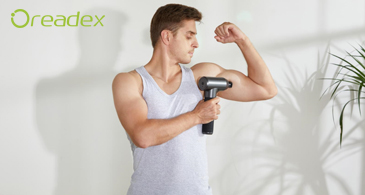
In recent years, the fascia massage gun has surged in popularity among athletes, fitness enthusiasts, and even individuals seeking relief from daily muscle tension. This handheld percussive therapy device promises to alleviate soreness, improve flexibility, and accelerate recovery. But how does it work, and is it worth the investment? Let’s dive into the science, benefits, and practical uses of this innovative tool.
What is a Fascia Massage Gun?
A fascia massage gun, also known as a percussion massager, is a portable device that delivers rapid, concentrated pulses of pressure to muscles and connective tissues (fascia). By mimicking techniques used in manual therapy, such as myofascial release or deep tissue massage, it helps break down adhesions, increase blood flow, and reduce stiffness.
Most models feature adjustable speed settings, interchangeable massage heads (e.g., ball, flat, or fork-shaped attachments), and ergonomic designs for targeted treatment. Brands like Theragun, Hyperice, and Bob & Brad dominate the market, offering devices tailored to diverse needs and budgets.
How Does It Work?
The science behind percussion therapy lies in its ability to stimulate the muscle-spindle reflex, which triggers muscle relaxation. When the massage gun’s head applies rapid vibrations (typically between 1,500–3,200 percussions per minute), it:
-
Enhances Circulation: Increased blood flow delivers oxygen and nutrients to tired muscles.
-
Reduces Lactic Acid: Promotes faster removal of metabolic waste products post-exercise.
-
Breaks Down Knots: Targets trigger points and fascial adhesions that contribute to pain and restricted movement.
-
Improves Range of Motion: Loosens tight tissues, aiding flexibility and joint mobility.
A 2020 study in the Journal of Clinical Medicine found that percussive therapy significantly reduced delayed-onset muscle soreness (DOMS) in athletes, validating its role in recovery regimens.
Key Benefits of Using a Fascia Massage Gun
-
Faster Recovery
By accelerating muscle repair, these devices help users bounce back quicker after intense workouts or injuries. -
Pain Relief
Effective for managing chronic pain conditions like lower back stiffness, plantar fasciitis, or neck tension. -
Convenience
Compact and user-friendly, they eliminate the need for frequent visits to a physical therapist. -
Enhanced Performance
Pre-workout use can warm up muscles, while post-workout sessions minimize soreness.
How to Choose the Right Massage Gun
When selecting a device, consider:
-
Power and Speed Settings: Look for adjustable intensity (15–60 minutes of battery life).
-
Noise Level: Quieter models (<60 dB) are ideal for home or office use.
-
Attachments: Specialized heads target different muscle groups (e.g., a bullet head for deep tissue; a fork head for tendons).
-
Ergonomics: Lightweight designs with anti-slip grips ensure comfort during prolonged use.
Tips for Safe and Effective Use
-
Avoid Bony Areas: Focus on large muscle groups like calves, quads, and glutes.
-
Limit Session Duration: 2–3 minutes per muscle group to prevent overstimulation.
-
Combine with Stretching: Pair with yoga or foam rolling for optimal results.
The fascia massage gun is more than a trendy gadget—it’s a scientifically backed tool for improving musculoskeletal health. Whether you’re an elite athlete or someone battling desk-job stiffness, incorporating percussive therapy into your routine could unlock newfound mobility and comfort. As always, consult a healthcare professional before use if you have underlying medical conditions.
//shop1430806789016.1688.com/page/index.html?spm=a2615.7691456.wp_pc_common_header_companyName.0
The Rise of Neckband Fans: A Portable Solution for Summer Heat
Neck and Shoulder Massagers: Modern Relief for Tech-Age Tension