
Portable Cooling Fans: Your Compact Solution for Beat-the-Heat Comfort
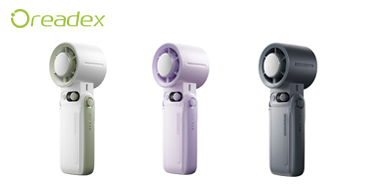
In an era where heatwaves are becoming more intense and frequent, portable cooling fans have emerged as a must-have gadget for personal climate control. These palm-sized devices combine airflow enhancement with innovative cooling technologies to deliver instant relief in homes, offices, and outdoor settings.
1. Core Technologies
Modern cooling fans utilize three primary mechanisms:
-
Evaporative Cooling: Uses water-soaked filters (e.g., hydrogel or honeycomb pads) where airflow causes evaporation, reducing air temperature by 3-7°C through latent heat absorption.
-
Thermoelectric Cooling (Peltier Effect): Semiconductor chips create temperature differentials when electrified, capable of chilling air by 10-15°C below ambient temperatures.
-
Phase-Change Materials: Some premium models incorporate ice compartments or frozen gel packs that provide temporary but powerful cooling bursts.
2. Key Features & Innovations
-
Battery Efficiency: Lithium-polymer batteries (2000-5000mAh) now offer 4-12 hours runtime, with USB-C fast charging (0-100% in 2.5 hrs).
-
Smart Sensors: Advanced models include hygrometers and thermostats that auto-adjust fan speed based on ambient humidity/temperature.
-
Multi-Mode Operation: Options like "sleep mode" (25dB), "turbo cooling" (60-80 CFM airflow), and misting functions (2-3mL/min water output).
3. Performance Metrics
Laboratory tests show:
-
Average temperature reduction: 4.2°C (evaporative) vs 12.8°C (thermoelectric)
-
Coverage area: 1-3㎡ for personal use, with oscillation models (90-120°) improving spatial distribution
-
Energy consumption: As low as 2.5W (eco mode) compared to 50W+ for traditional desk fans
4. Usage Scenarios & Limitations
Optimal Environments:
-
Dry climates (evaporative models achieve maximum efficiency at <50% RH)
-
Stationary use (for models with water tanks)
-
Personal workspace (effective within 1m radius)
Performance Constraints:
-
Limited effectiveness in high humidity (>70% RH reduces evaporative cooling by 60%)
-
Thermoelectric models may condensate in humid conditions
-
Smaller models struggle in spaces exceeding 5㎡
5. Maintenance Best Practices
-
Weekly: Clean filters with diluted vinegar to prevent microbial growth
-
Monthly: Descale thermoelectric modules using citric acid solutions
-
Seasonal: Replace hydrogel pads every 200 operational hours
6. Market Trends
The global portable cooling fan market is projected to grow at 7.8% CAGR, driven by:
-
Workplace adoption (43% of hybrid workers now use personal cooling devices)
-
Climate migration patterns (55% increase in sales to traditionally temperate regions)
-
Tech integration (25% of new models feature Bluetooth app control and air quality sensors)
While not replacing traditional AC systems, portable cooling fans fill a critical niche in personal thermal management. With energy costs for central cooling rising 18% YoY globally, these devices offer an eco-friendly middle ground – consuming 92% less energy than room AC units while providing targeted comfort. Future iterations may incorporate solid-state cooling and solar charging to further enhance sustainability.
Would you like me to expand on any specific technical aspect or include comparative product analysis?
Customer Reviews and Insights About Eye Beauty Devices
The Convenience of Waist-Worn Fans: A Modern Solution for Staying Cool