Are There Any Limitations or Precautions When Using a Massage Gun?
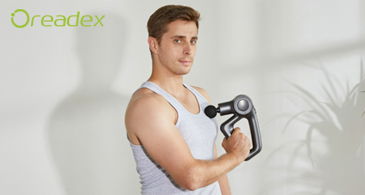
The rise of massage guns in recent years has revolutionized personal wellness and recovery routines, offering a convenient and effective way to soothe sore muscles, reduce tension, and promote overall relaxation. These portable devices, with their powerful percussive therapy, have become a staple in gyms, offices, and even homes. However, as with any wellness tool, it's crucial to understand the limitations and precautions associated with using a massage gun to ensure safe and effective usage.
Limitations of Massage Guns
Depth of Penetration: While massage guns are designed to provide deep tissue massage, their effectiveness can vary depending on the individual's muscle density and the specific model's power output. For those with very dense or deep-seated muscle knots, a standard massage gun may not be able to penetrate deeply enough to provide full relief. In such cases, professional massage therapy or alternative treatments may be more suitable.
Area Coverage: Massage guns are most effective when used on large, flat muscle groups like the quads, glutes, and back. They can struggle to reach smaller, more intricate areas or joints effectively, such as the wrists, ankles, or deep between the shoulder blades. For these areas, hand-held massagers or manual massage techniques may be more appropriate.
Chronic Conditions: Massage guns are generally not recommended for individuals with certain chronic conditions, such as inflammatory arthritis, severe osteoporosis, or open wounds or fractures in the area being massaged. These conditions can be aggravated by the intense vibrations and pressure applied by the device.
Sensitivity Differences: Every person's pain tolerance and sensitivity levels are unique. What feels soothing for one person might be too intense or even painful for another. Therefore, it's essential to start with low settings and gradually increase the intensity based on personal comfort.
Precautions When Using a Massage Gun
Consult a Professional: Before incorporating a massage gun into your routine, especially if you have existing health issues or injuries, it's wise to consult a doctor or physical therapist. They can provide guidance on whether a massage gun is suitable for you and offer specific recommendations for usage.
Avoid Sensitive Areas: Avoid using the massage gun directly on bones, joints, or inflamed or injured areas. Instead, focus on the surrounding muscles, taking care not to apply excessive pressure or overwork a particular spot.
Use Proper Technique: It's essential to use the massage gun correctly to avoid injury. Always keep the device moving in a slow, steady motion, avoiding staying in one spot for too long. Start with light pressure and gradually increase as needed.
Listen to Your Body: Pay attention to your body's signals during and after using the massage gun. If you experience pain, discomfort, or bruising, immediately stop using the device and seek medical advice if necessary.
Clean and Maintain: Regularly clean your massage gun to prevent the spread of bacteria and maintain optimal performance. Use a damp cloth or disinfectant wipe to wipe down the head attachments and handle after each use.
Limit Duration: While a massage gun can provide instant relief, overusing it can lead to muscle soreness or fatigue. Stick to recommended usage times, typically around 15-20 seconds per muscle group, and allow for adequate rest between sessions.
Massage guns offer a powerful and convenient way to alleviate muscle soreness and tension, but their usage comes with certain limitations and precautions. By understanding these factors and following best practices, you can safely incorporate a massage gun into your wellness routine, enhancing your recovery and overall well-being. Remember, always prioritize your health and well-being, and consult a professional if you have any concerns or questions.
//shop1430806789016.1688.com/page/index.html?spm=a2615.7691456.wp_pc_common_header_companyName.0
Is a Mini Massager Suitable for Use On the Go?
How Does a Massager Help to Relieve Stress and Tension?