
What Is The Difference Between Biodegradable Massager and Conventional Massager?
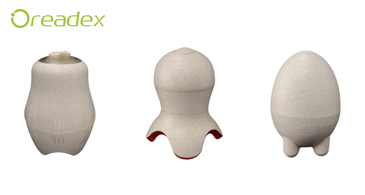
In the current era of rapid industrialization and technological advancement, the demand for consumer electronics and personal care products has skyrocketed. Among these, massager products have gained immense popularity due to their ability to provide relief from muscle soreness, enhance blood circulation, and promote overall well-being. However, the widespread use of these products has also led to an increase in the generation of non-biodegradable waste, posing a significant threat to our environment. Therefore, it is imperative to explore the integration of biodegradable and environmentally friendly materials into massager products.
The first step in applying biodegradable materials to massager products is to identify suitable materials that meet the functional requirements of the product while being environmentally friendly. Materials such as biodegradable plastics derived from renewable resources like corn starch or cellulose are excellent candidates. These materials can be molded into various shapes and sizes, allowing for the creation of massagers with ergonomic designs. Additionally, natural fibers like bamboo or cotton can be used in the manufacturing of massager covers and pads, providing a soft and comfortable touch while being easily recyclable.
Once the suitable materials are identified, the next step is to incorporate them into the design and manufacturing process of massager products. Designers need to carefully consider the material properties and ensure that they are compatible with the intended use of the product. For instance, the biodegradable plastics used should be able to withstand repeated use and cleaning without losing their structural integrity. Similarly, the natural fibers used for covers and pads should be able to provide sufficient durability and comfort.
Manufacturers also need to invest in innovative technologies and processes that enable the efficient production of biodegradable massager products. This may involve the development of new molding techniques, the use of eco-friendly adhesives, and the adoption of sustainable packaging solutions. By doing so, manufacturers can not only reduce their carbon footprint but also position their products as environmentally responsible choices in the market.
Moreover, it is essential to raise awareness among consumers about the importance of using biodegradable and environmentally friendly massager products. Education and outreach programs can be conducted to inform consumers about the harmful effects of non-biodegradable waste on the environment and the benefits of choosing sustainable alternatives. Additionally, manufacturers can label their products as biodegradable or environmentally friendly, making it easier for consumers to make informed purchasing decisions.
In conclusion, the application of biodegradable and environmentally friendly materials to massager products is a crucial step towards promoting sustainability and reducing the impact of consumer electronics on the environment. By identifying suitable materials, incorporating them into the design and manufacturing process, and raising consumer awareness, we can create a more sustainable future for both our planet and its inhabitants. It is a responsibility that we all share, and one that requires a concerted effort from all stakeholders in the industry. By taking these steps, we can ensure that our massager products not only provide us with the desired benefits but also contribute to a healthier and more sustainable world.
//shop1430806789016.1688.com/page/index.html?spm=a2615.7691456.wp_pc_common_header_companyName.0
What Are The Main Differences Between Massage Guns And Massagers?
What Are the Advantages of Wheat Straw Material Massage Gun?