
What Are The Production Standards For Biodegradable/ECO-Friendly Massage Guns?
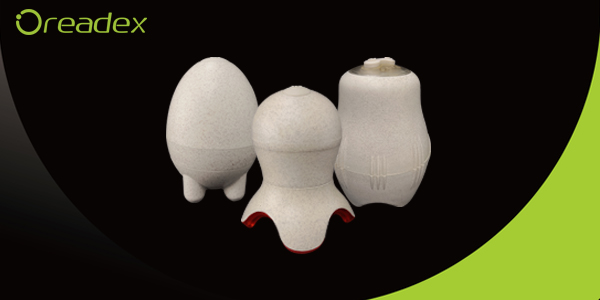
In today's world, environmental sustainability and eco-friendliness have become paramount concerns for manufacturers and consumers alike. The demand for biodegradable and ECO-friendly products is growing rapidly, and this trend extends to even the most unexpected areas, including the production of massage guns. Massage guns, which have become popular in recent years for their ability to provide deep tissue relaxation and pain relief, are now being produced with an emphasis on sustainability and minimal environmental impact.
But what exactly are the production standards for biodegradable/ECO-friendly massage guns? The answer involves a multifaceted approach that encompasses material selection, manufacturing processes, packaging, and even the end-of-life cycle of the product.
Firstly, the choice of materials is crucial. Biodegradable and ECO-friendly massage guns are typically made from renewable or recyclable resources. Natural fibers, biodegradable plastics derived from plant-based materials, and recycled metals are common choices. These materials not only reduce the carbon footprint of the product but also ensure that when the gun reaches the end of its useful life, it can be easily decomposed or recycled.
Secondly, the manufacturing processes must be environmentally friendly. This means using energy-efficient machines, minimizing waste, and employing clean production techniques. Manufacturers may also opt for using renewable energy sources such as solar or wind power to further reduce their carbon emissions. Additionally, waste reduction strategies, such as recycling scrap materials and using lean manufacturing principles, are essential to minimizing the environmental impact of production.
Packaging is another key aspect. Biodegradable/ECO-friendly massage guns should come in packaging made from sustainable materials. This could include compostable paper or biodegradable plastics that can be easily disposed of without harming the environment. Manufacturers may also opt for packaging that is reusable or recyclable, encouraging consumers to reduce single-use plastic waste.
Furthermore, the design of the massage gun itself plays a role in its eco-friendliness. Designers strive to create products that are not only functional but also long-lasting. This means using durable materials and components that can withstand repeated use without breaking down. A well-designed massage gun will require fewer replacements over its lifetime, thus reducing the overall environmental impact of production and consumption.
Lastly, the end-of-life cycle of the product is also considered. Manufacturers may provide information on how to properly dispose of or recycle the massage gun once it has reached the end of its useful life. This could include take-back programs or instructions on how to dismantle the gun for recycling. By ensuring that the product can be easily disposed of or recycled, manufacturers contribute to a circular economy where waste is minimized and resources are reused.
The production standards for biodegradable/ECO-friendly massage guns are comprehensive and multifaceted. They involve careful consideration of material selection, manufacturing processes, packaging, product design, and end-of-life disposal. By adhering to these standards, manufacturers can create massage guns that not only provide exceptional performance but also contribute to a more sustainable and environmentally friendly future. As consumer awareness of sustainability issues increases, the demand for such products is likely to grow, driving innovation and progress in the field of eco-friendly manufacturing.
//shop1430806789016.1688.com/page/index.html?spm=a2615.7691456.wp_pc_common_header_companyName.0
How Should Companies Promote Biodegradable/Eco-Friendly Material Products?
What Market Policies Does Massageer Neck And Shoulder Have?