
What Are The Main Aspects of Massager's Product Compliance Assessment ?
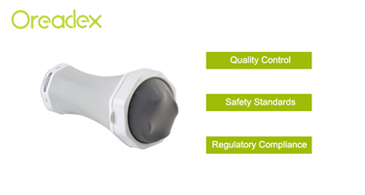
In today's fast-paced world, stress and tension have become a common part of our lives. To combat these issues, many individuals turn to massagers as a means of relaxation and relief. However, it is crucial to ensure that these products comply with safety standards and regulations to guarantee consumer well-being. This article will delve into the main aspects of a massager's product compliance assessment, highlighting the importance of quality control, safety standards, and regulatory compliance.
1. Quality Control
Quality control is a critical aspect of a massager's product compliance assessment. It involves a series of processes and checks to ensure that the product meets the desired quality standards. This includes evaluating the materials used, manufacturing processes, and overall product performance. Quality control measures help identify any defects or issues that may compromise the product's safety or functionality.
a. Material Selection: The choice of materials used in a massager plays a significant role in its compliance assessment. Manufacturers must ensure that the materials are safe, durable, and free from harmful substances such as lead or phthalates.
b. Manufacturing Processes: The manufacturing processes employed must adhere to strict guidelines to ensure consistency and reliability. This includes proper assembly, testing, and inspection procedures to minimize the risk of defects or malfunctions.
c. Performance Testing: Massagers should undergo rigorous performance testing to ensure they meet the intended purpose. This may involve evaluating factors such as vibration intensity, heat generation, noise levels, and battery life.
2. Safety Standards
Safety is paramount when it comes to massagers, as they directly interact with the human body. Compliance with safety standards ensures that the product does not pose any harm or risk to the user. Several safety aspects need to be considered during the product compliance assessment.
a. Electrical Safety: Massagers often rely on electrical components, making electrical safety a crucial consideration. Compliance with relevant electrical safety standards ensures that the product is protected against electrical hazards, such as short circuits or electric shocks.
b. Mechanical Safety: Massagers should be designed and manufactured to prevent any mechanical hazards. This includes ensuring that moving parts are adequately guarded, sharp edges are eliminated, and the product is structurally stable.
c. Ergonomics: Ergonomic design is essential to ensure that the massager is comfortable and easy to use. Compliance with ergonomic standards helps prevent user discomfort, strain, or injuries during prolonged use.
d. Hygiene and Sanitation: Massagers come into direct contact with the body, making hygiene and sanitation crucial aspects of compliance. Manufacturers must ensure that the product is easy to clean, resistant to microbial growth, and made from materials that do not cause skin irritation or allergies.
3. Regulatory Compliance
Regulatory compliance is a legal requirement that ensures massagers meet specific standards set by regulatory bodies. Compliance with these regulations helps protect consumers and ensures fair competition among manufacturers.
a. International Standards: Massagers are subject to various international standards, such as those set by the International Electrotechnical Commission (IEC) or the International Organization for Standardization (ISO). Compliance with these standards ensures that the product can be sold globally and meets the expectations of different markets.
b. Regional Regulations: Different regions may have specific regulations governing the sale and use of massagers. For example, the European Union has the CE marking, which indicates compliance with health, safety, and environmental protection standards. Manufacturers must ensure their products meet the specific requirements of the regions they intend to sell in.
c. Labeling and Documentation: Compliance also involves proper labeling and documentation of the product. This includes providing clear instructions for use, safety warnings, and information about the manufacturer or importer. Compliance with labeling requirements helps consumers make informed decisions and ensures traceability in case of any issues.
In conclusion, a massager's product compliance assessment encompasses various aspects to ensure the product's safety, quality, and adherence to regulations. Quality control measures, safety standards, and regulatory compliance play a vital role in protecting consumers and maintaining the integrity of the massager market. Manufacturers must prioritize these aspects to provide reliable and safe products that promote relaxation and well-being.
//shop1430806789016.1688.com/page/index.html?spm=a2615.7691456.wp_pc_common_header_companyName.0
What Are The Trends in The Mini Massage Gun Industry?
Application Requirements of Vibration Massage Sticks